
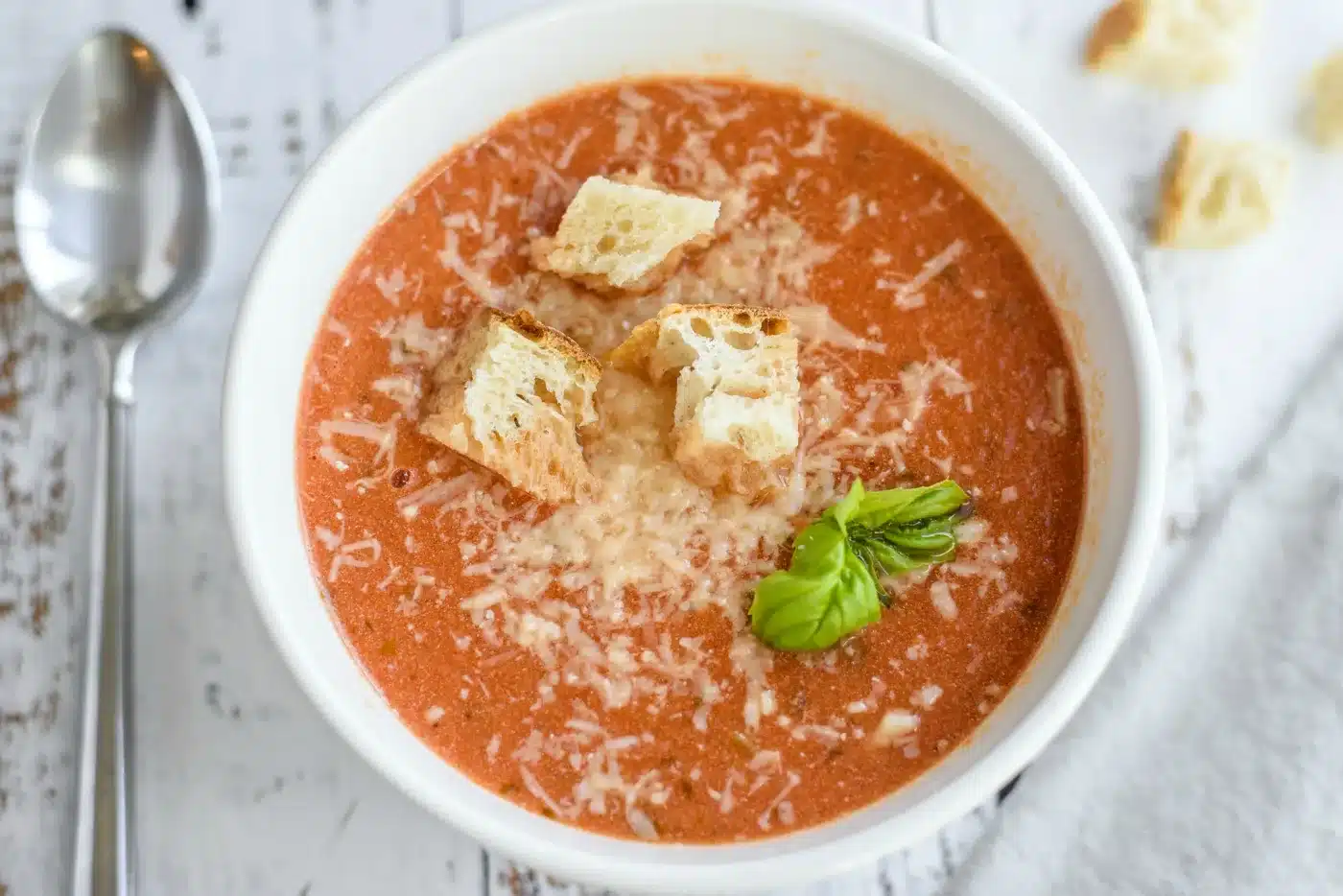
Tomato Basil Soup is a smooth, comforting bowl built from whole tomatoes, tomato juice, fresh basil, cream, and butter. The tomatoes bring savory depth and gentle acidity, while the basil keeps the flavor fresh and the dairy creates a velvety finish without turning the soup heavy.
The best version tastes clearly of tomato first, with basil, cream, Parmesan, and croutons supporting that base. Gentle heat after the dairy is added protects the silky texture and keeps the soup from separating.
Why You’ll Love This Recipe
- Balanced flavor: The best version tastes clearly of tomato first, with basil, cream, Parmesan, and croutons supporting that base. Gentle heat after the dairy is added protects the silky texture and keeps the soup from separating.
- Practical preparation: Simmer the tomato base with basil until the flavors combine, blend it to the texture you prefer, and then finish with butter and cream over gentle heat. Once the dairy enters the pot, warm the soup slowly and avoid a hard boil.
- Flexible serving: A bowl of this soup can begin the same comfort-food meal as slow cooker beef stew without requiring complicated preparation.
What Matters Before You Start
The recipe card contains the complete measurements. The essential components are whole tomatoes, tomato juice, fresh basil, butter, cream, seasoning, Parmesan, and croutons. Choose fragrant basil and good-quality tomatoes because their flavor remains noticeable after blending.
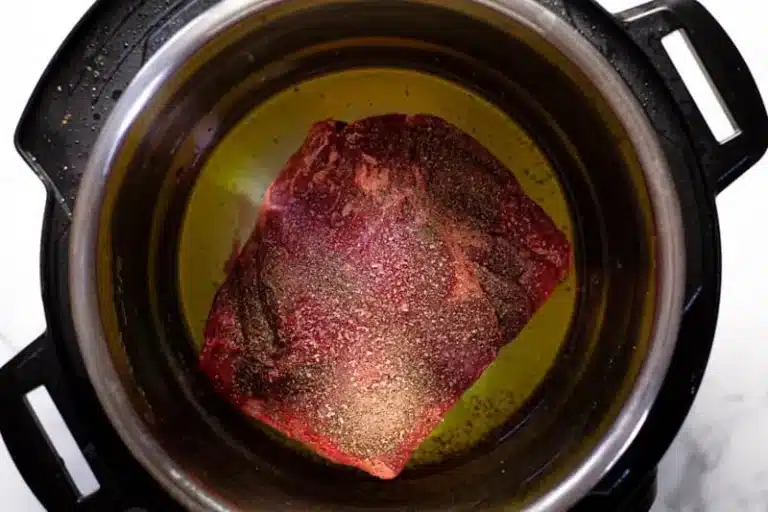
For a sandwich pairing, the savory filling in an Instant Pot French dip works naturally beside a small bowl of tomato soup.
Method Overview
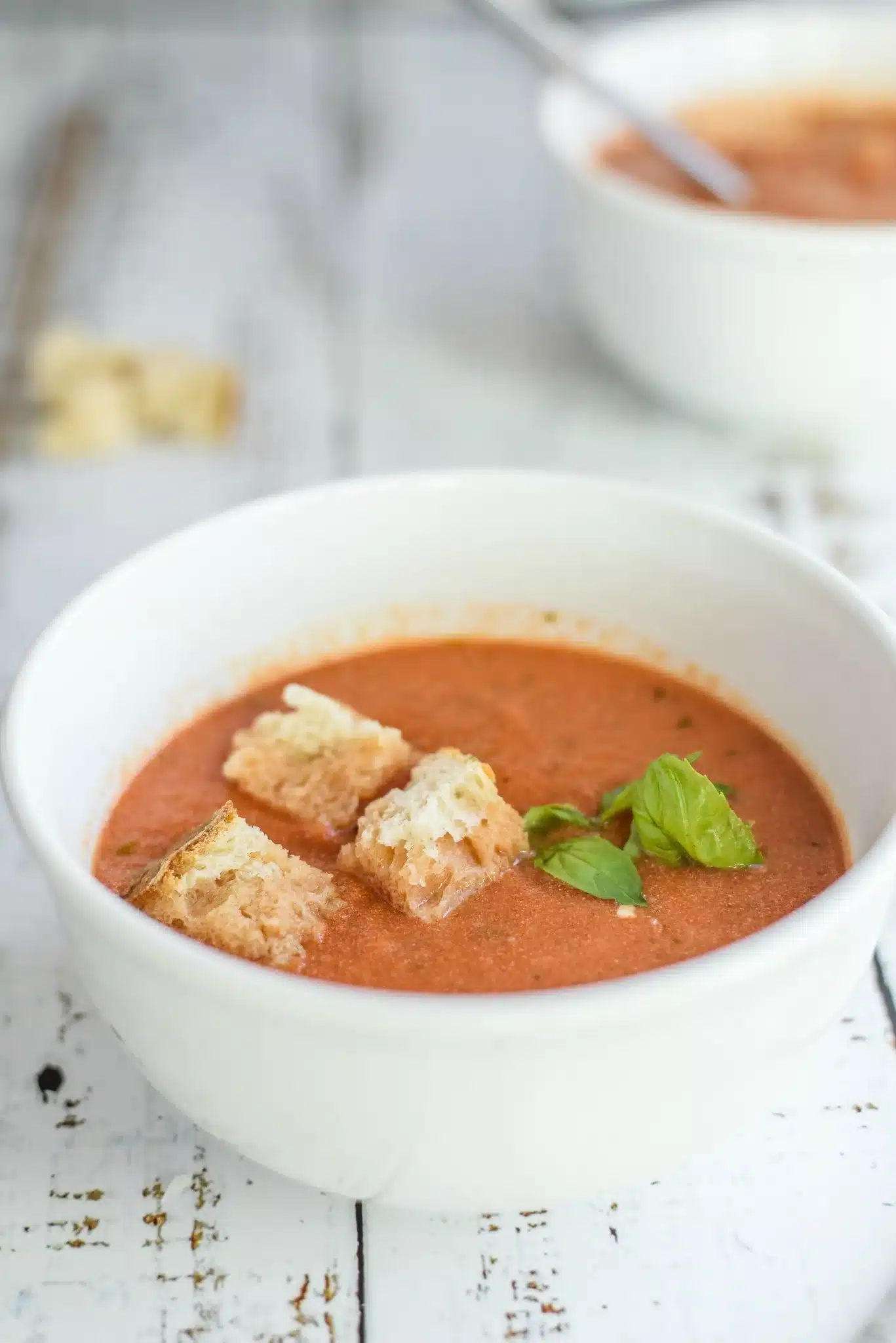
Simmer the tomato base with basil until the flavors combine, blend it to the texture you prefer, and then finish with butter and cream over gentle heat. Once the dairy enters the pot, warm the soup slowly and avoid a hard boil.
Fresh basil also leads the flavor in basil chicken with coconut curry sauce, though that dinner uses a warmer spice profile.
Tips for Consistent Results
Blend in manageable batches if you are not using an immersion blender, leave room for steam to escape, and return the soup to low heat only after it is smooth. Add Parmesan and croutons at serving time so they keep their texture.
Use the visual and texture cues in the recipe rather than relying on the clock alone. The finished dish should reflect this target: The best version tastes clearly of tomato first, with basil, cream, Parmesan, and croutons supporting that base. Gentle heat after the dairy is added protects the silky texture and keeps the soup from separating. Small differences in ingredient temperature, cookware, and heat intensity can shift the timing, so check early and make measured adjustments instead of rushing the final stage.
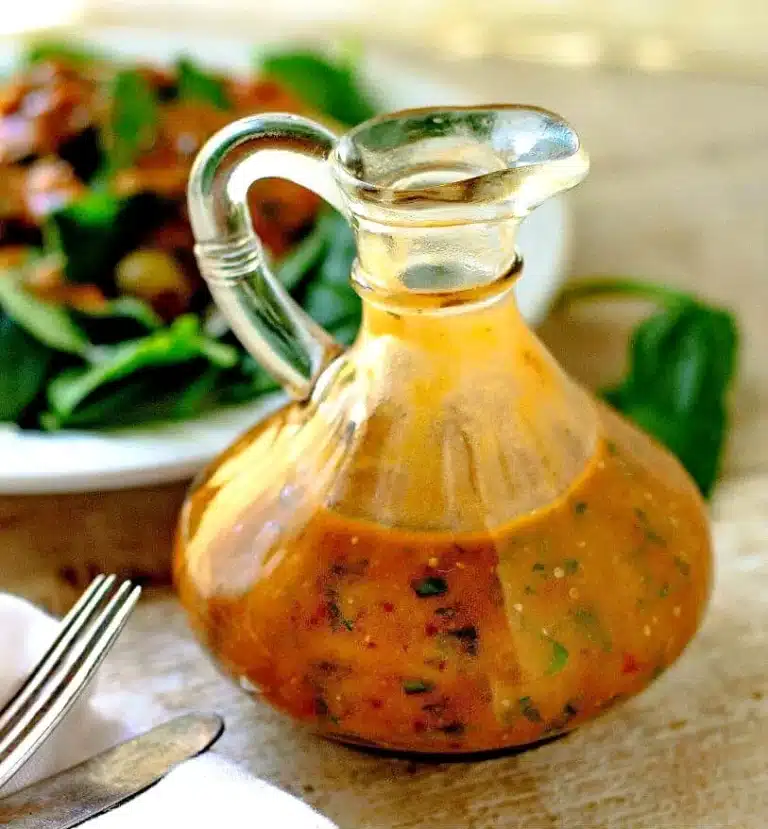
A crisp side dressed with healthy lemon basil vinaigrette cuts through the creamy finish.
How to Plan the Recipe
Read the recipe card once before starting, prepare the components that need washing, chopping, measuring, or chilling, and keep them arranged in the order they are used. This makes the process calmer and helps protect the texture described here: Simmer the tomato base with basil until the flavors combine, blend it to the texture you prefer, and then finish with butter and cream over gentle heat. Once the dairy enters the pot, warm the soup slowly and avoid a hard boil. It also gives you time to notice substitutions or serving needs before cooking begins.
For a larger meal, decide which parts can be prepared ahead and which are best finished close to serving. Cool leftovers promptly in shallow containers and refrigerate them covered. Reheat gently over medium-low heat, stirring often, and do not allow the cream-based soup to boil. Keep hot and cold components separate when appropriate, and use clean utensils for tasting and serving. A little planning preserves contrast, prevents unnecessary moisture, and makes the final presentation look intentional.
Variations
For a lighter bowl, reduce the finishing cream slightly without removing it completely. For a smoother presentation, strain the blended soup; for a more rustic result, stop blending while a little tomato texture remains.
When adapting the recipe, change one major element at a time so the original balance remains easy to judge. The recipe card contains the complete measurements. The essential components are whole tomatoes, tomato juice, fresh basil, butter, cream, seasoning, Parmesan, and croutons. Choose fragrant basil and good-quality tomatoes because their flavor remains noticeable after blending. Taste after each adjustment, especially when altering salty, acidic, sweet, or spicy elements. This approach keeps the same core keyword and recipe identity while allowing the dish to suit the ingredients available.
For a casual family menu, crispy mini chicken tacos can be served alongside smaller cups of soup.
Serving Ideas
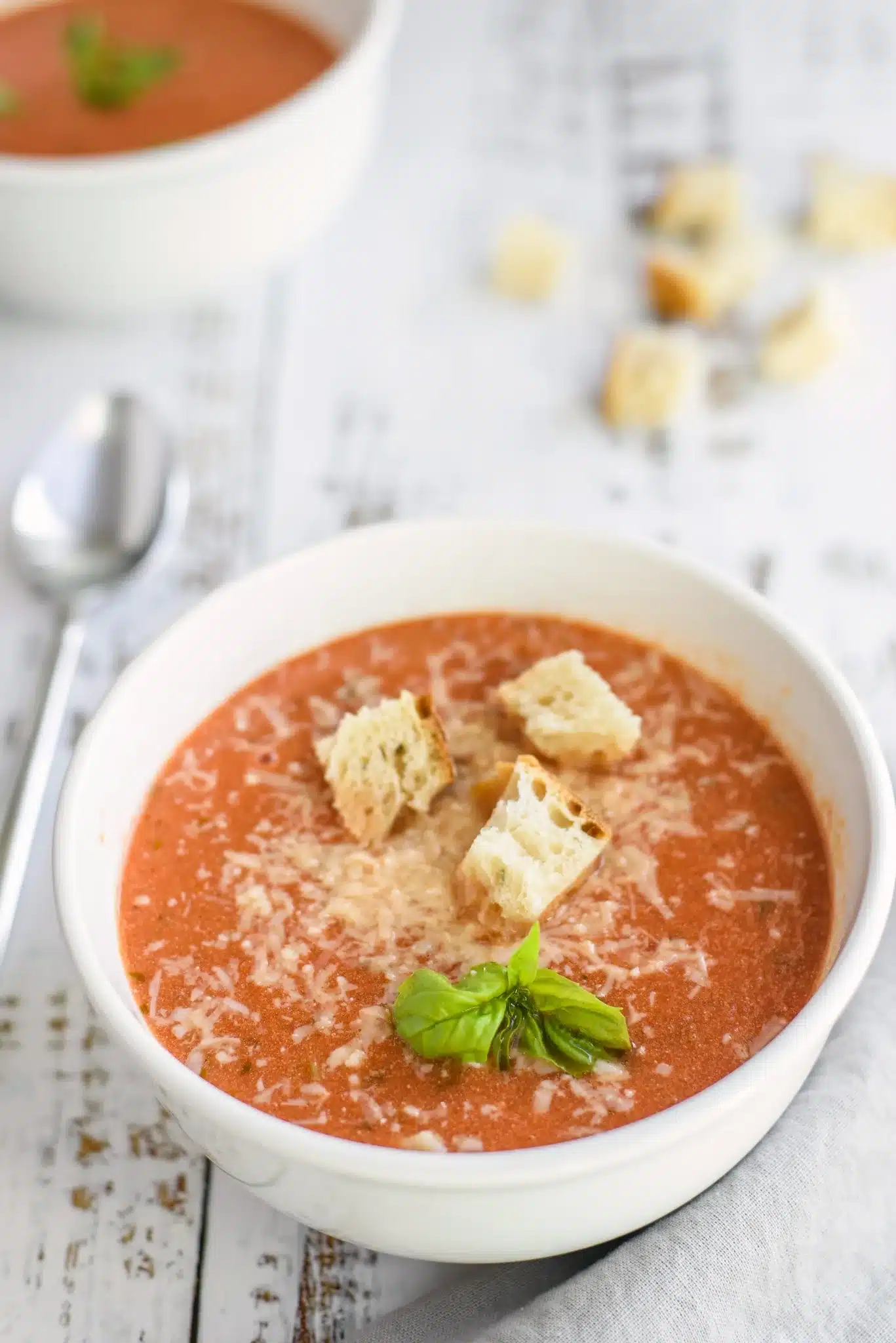
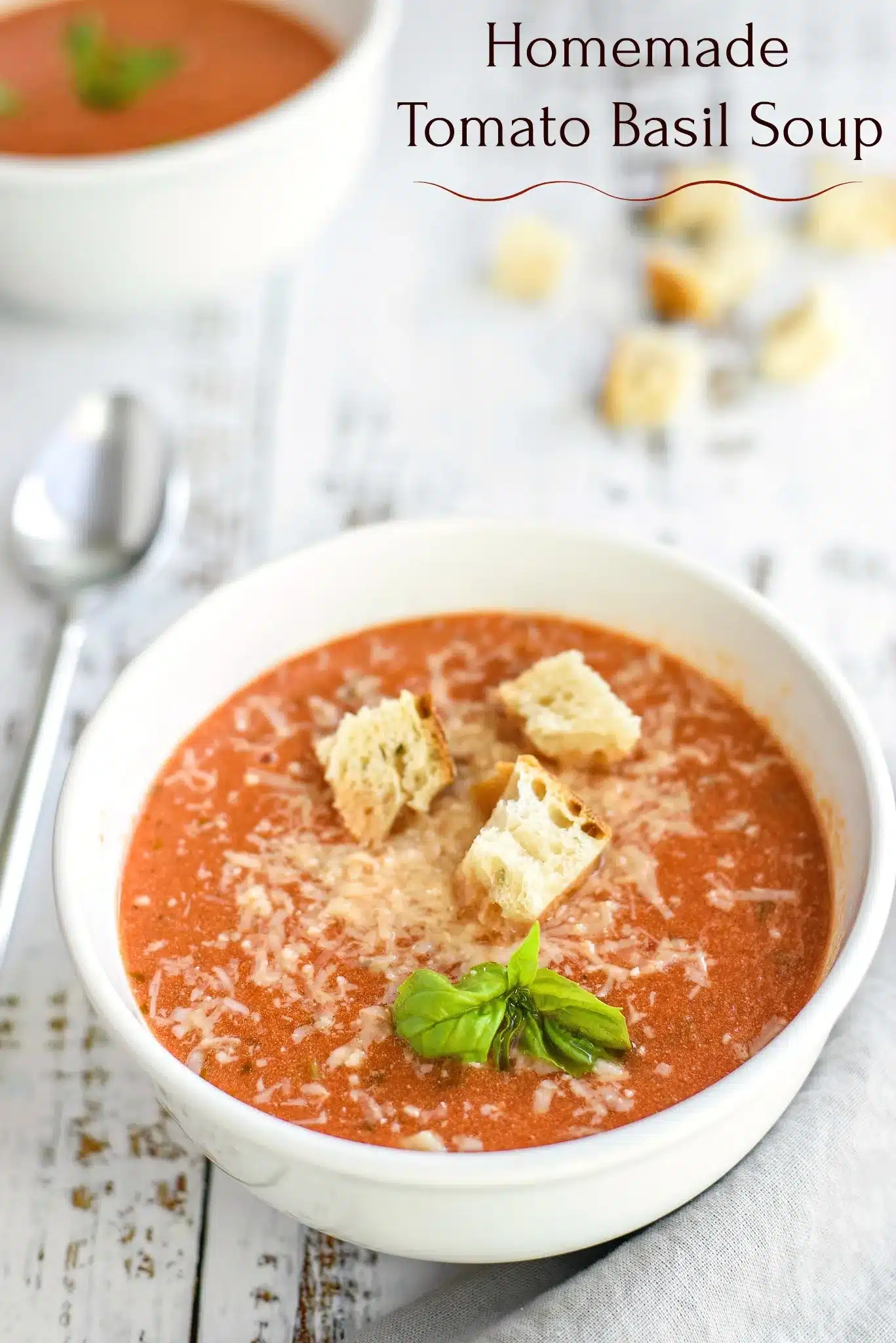
Serve the soup with grilled bread, a sandwich, or a crisp salad. Parmesan, basil, black pepper, and croutons add contrast without hiding the tomato flavor.
The bright flavor of cilantro lime slaw provides another cool contrast for a soup-and-sandwich meal.
When planning a heartier cold-weather table, classic slow cooker beef stew offers a meat-centered alternative.
Make-Ahead Notes
If preparing the dish ahead, complete only the steps that hold well, then reserve delicate garnishes, crisp elements, fresh herbs, or final sauces for serving time. Serve the soup with grilled bread, a sandwich, or a crisp salad. Parmesan, basil, black pepper, and croutons add contrast without hiding the tomato flavor. Bring chilled components to the appropriate serving temperature gradually, and give the dish a final taste before it reaches the table.
Storage and Food Safety
Cool leftovers promptly in shallow containers and refrigerate them covered. Reheat gently over medium-low heat, stirring often, and do not allow the cream-based soup to boil. The FoodSafety.gov cold-storage chart provides official timing guidance for refrigerated foods.
Frequently Asked Questions
Why should Tomato Basil Soup not boil after adding cream?
A hard boil can make the dairy separate. Keep the soup over low to medium-low heat and warm it gently once the cream has been added.
Can canned tomatoes be used?
Yes. Good-quality canned whole tomatoes provide dependable flavor and texture throughout the year.
How can I make the soup smoother?
Blend thoroughly and pass the soup through a fine sieve before adding the final cream and butter.
Recipe Card
The complete measured ingredients and step-by-step instructions are kept in the recipe card below.
PrintTomato Basil Soup

A delicious, flavorful homemade Tomato Basil Soup made with canned whole tomatoes. It’s a grown-up version of tomato soup you’re going to love.
- Cook Time: 50 mins
- Total Time: 50 minutes
- Yield: 4 1x
- Method: dinner
- Cuisine: American
Ingredients
- one 28 ounce can of whole tomatoes
- 2 cups tomato juice
- 1 1/2 Tablespoons white sugar
- 14 fresh basil leafs
- 1 cup heavy cream
- 1/2 cup butter
- Salt and pepper to taste
- Grated Parmesan Cheese, grated to sprinkle on top
Instructions
- Open the canned tomatoes and place them and the 2 cups of tomato juice in a large saucepan. Simmer over medium heat for 30 minutes. Remove the pan from the heat and place the tomato mixture into a blender or food processor and process until the mixture is smooth.Add the basil leaves to the blender or food processor and puree them into the tomato mixture. Place the basil- tomato mixture back into the large saucepan. Place the saucepan over medium to low heat and stir in the heavy cream and butter. Season with salt and pepper to your taste. Heat the mixture slowly while stirring to blend everything together as the butter melts. Do not let the soup come to a boil.Ladle the soup into bowls and garnish with grated Parmesan Cheese.